Between peak tourist seasons, many destinations appear to slow down. Hotels have fewer guests, coastal rentals sit empty, and attractions prepare quietly for the next influx of visitors. Yet for roofing professionals, this in-between period is often one of the busiest times of the year. Emergency roofing calls surge precisely when tourists leave, revealing problems that were hidden, ignored, or temporarily patched during high-occupancy months. These calls are less about sudden disasters and more about deferred reality finally demanding attention.
Deferred Damage Comes to the Surface
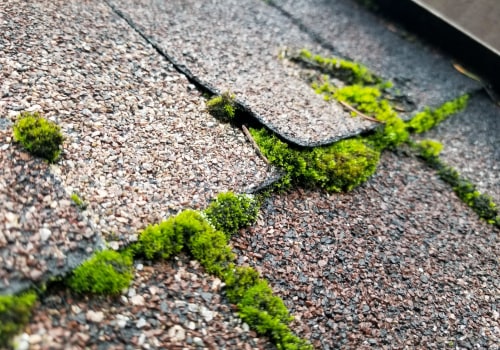
During tourist season, property owners are often reluctant to schedule disruptive repairs. A leaking roof may be managed with buckets, ceiling patches, or temporary sealants to avoid closing rooms or losing revenue. Once the crowds thin out, those short-term fixes are no longer enough. Water stains that spread unnoticed, soft spots in decking, and compromised flashing suddenly become visible during inspections or routine maintenance. Roofing professionals are frequently called in to address damage that has been developing quietly for months, sometimes years.
Weather Shifts Reveal Structural Weaknesses
The shoulder seasons between tourism peaks often coincide with changing weather patterns. Temperature swings, heavy rain, early snow, or high winds can expose vulnerabilities that calmer summer conditions concealed. Roofs stressed by thermal expansion and contraction may begin to leak, while clogged drainage systems overflow during autumn storms. These environmental shifts trigger urgent calls, especially for properties that must be fully operational before the next tourist surge. What seemed stable during peak season can quickly become an emergency once weather conditions change.
Empty Buildings Create Different Risks
Ironically, unoccupied or lightly occupied buildings can experience roofing issues faster than busy ones. Without constant human presence, small leaks may go unnoticed until significant damage occurs. Heating systems may be set lower, allowing moisture to linger and worsen structural decay. Property managers often discover problems only when performing offseason walkthroughs, prompting immediate calls for repairs. This is when roofing providers, including those offering roofing services in North Haven, CT, see an uptick in urgent requests from hotels, inns, and seasonal rentals trying to stabilize properties before reopening.
Budget Timing and Insurance Deadlines
The period between tourist seasons is also when many owners reassess budgets and insurance requirements. End-of-season financial reviews often uncover repair obligations tied to coverage renewals or risk assessments. Insurance carriers may require documented repairs before issuing new policies, especially after storm activity. As a result, what begins as a routine inspection can quickly turn into an emergency repair timeline driven by administrative deadlines rather than immediate leaks. Roofing calls during this time are often fueled by urgency to comply, not just visible damage.
Preparing for the Next Wave of Guests
Another driver behind offseason emergency calls is preparation. Property owners know that once the next tourist season begins, access to roofs becomes limited again. Scaffolding, noise, and safety restrictions are far more manageable when occupancy is low. This creates pressure to address every roofing concern—real or suspected—within a narrow window. Even borderline issues are treated as emergencies because failure during peak season would be far more costly. Roofing professionals are tasked not only with repairs, but with restoring confidence that the building can withstand months of heavy use and unpredictable weather.
Why These Calls Matter More Than They Seem
Emergency roofing calls made between tourist seasons are rarely about panic; they are about prevention, accountability, and timing. They represent a moment when property owners can finally confront long-standing issues without sacrificing revenue. For roofing professionals, this period demands speed, accuracy, and strategic thinking, as repairs must last through the next high-demand cycle. While tourists may see quiet towns and empty hotels, the rooftops tell a different story—one of urgent work happening out of sight to ensure everything is ready when the crowds return.